


Realtor.ca Design System

Building Realtor's first unified, accessible, multi-platform design system

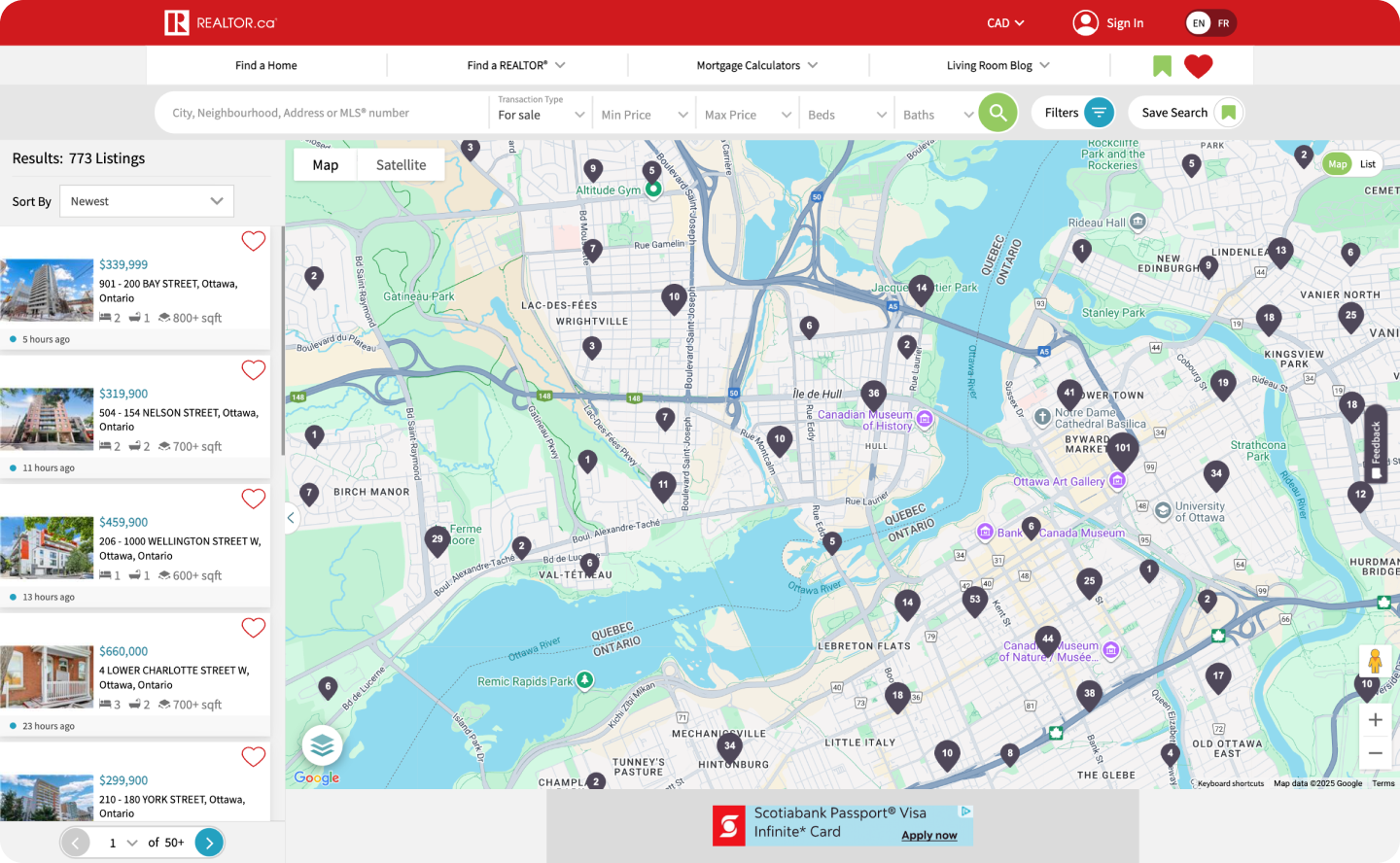
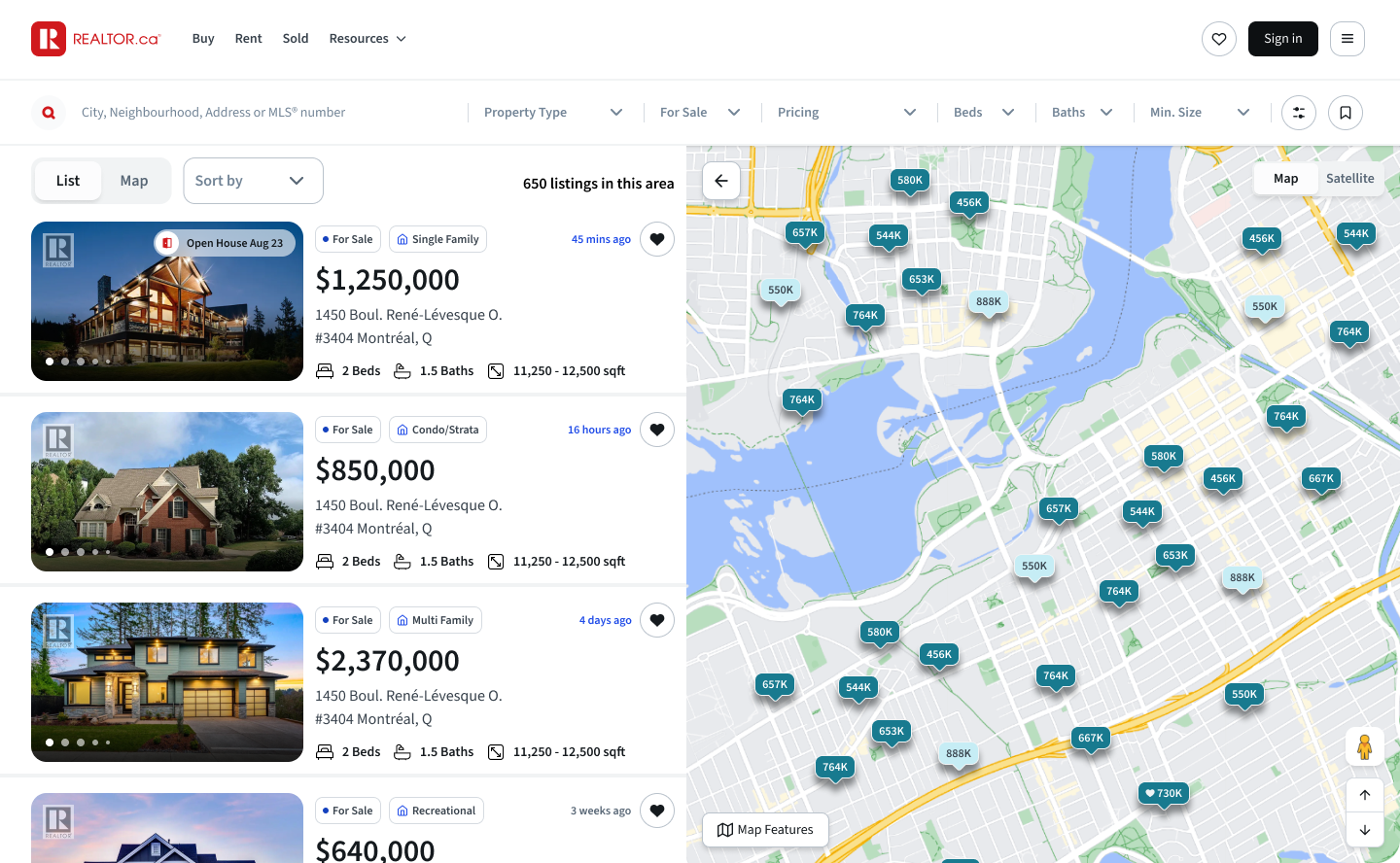
When I joined the Realtor.ca team to lead the redesign of the platform, my first step was to assess its current state. It quickly became clear that the experience was highly fragmented, each platform and team was building in isolation, with almost no consistency or shared direction. Before I could even begin improving individual screens or flows, I had to address the foundation. That meant creating a unified design system from the ground up.

Platform

Realtor.ca

Date

June 2024

Read

6 minutes

The problem

Four teams.

Four platforms.

Zero consistency.

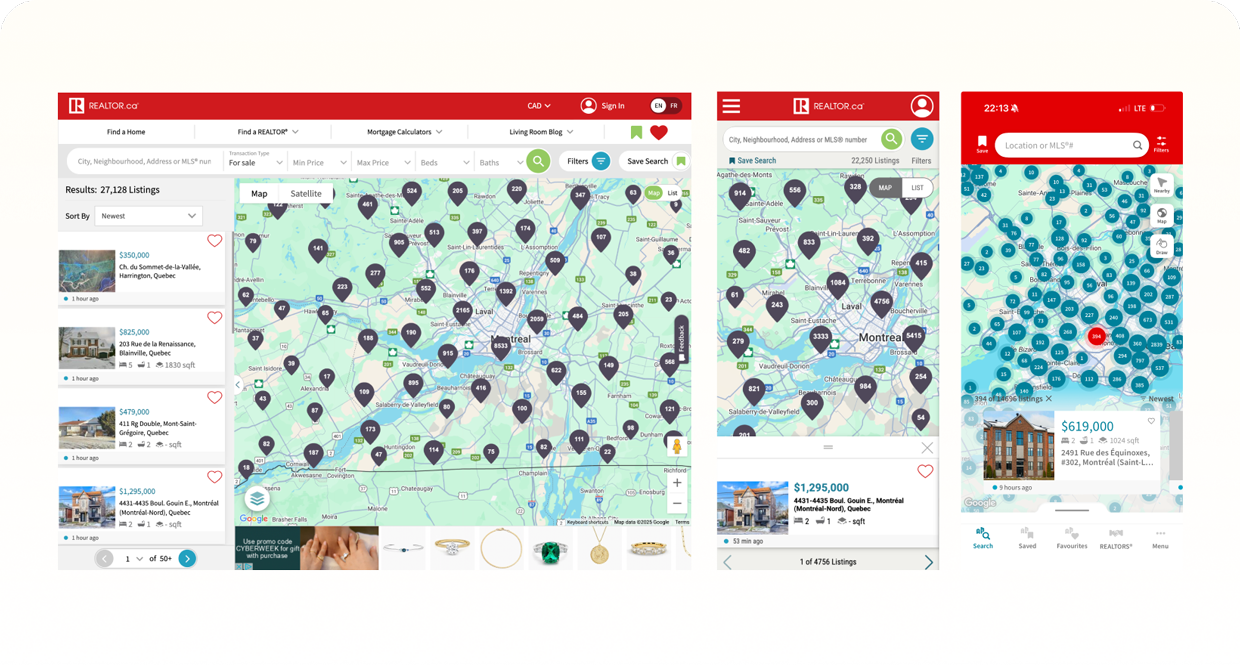
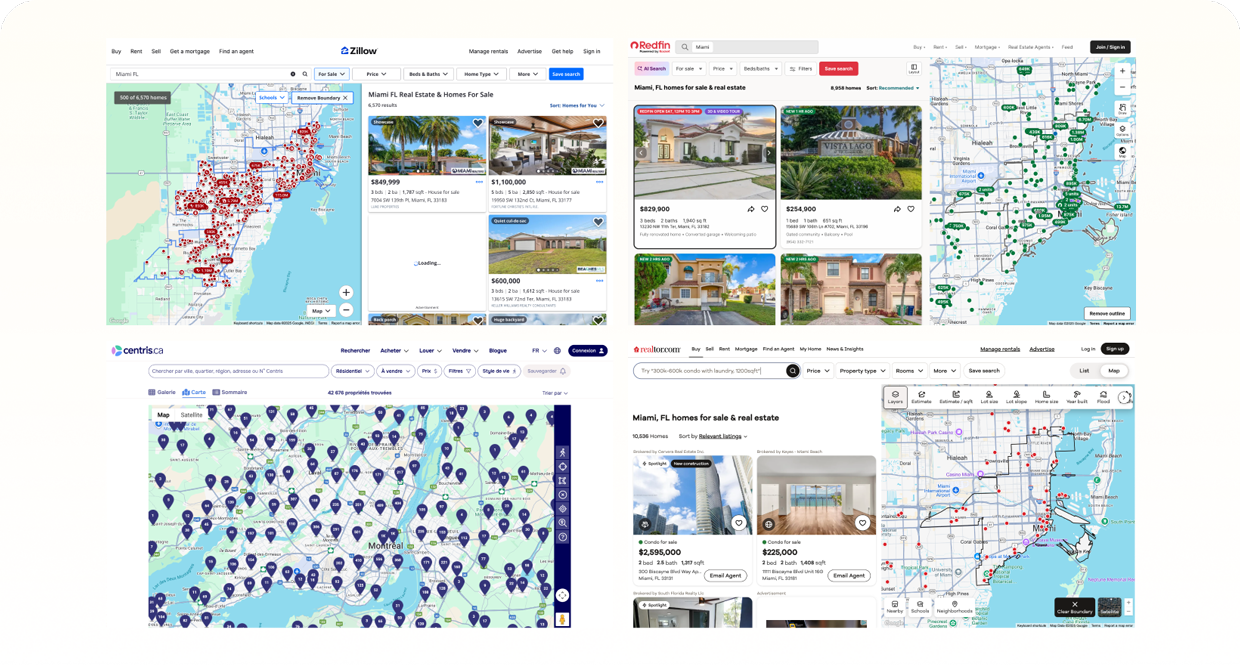
Realtor.ca had evolved in silos. Desktop, mobile web, iOS, and Android all used different UI patterns, components, and accessibility levels. This fragmentation slowed development and made scaling impossible.

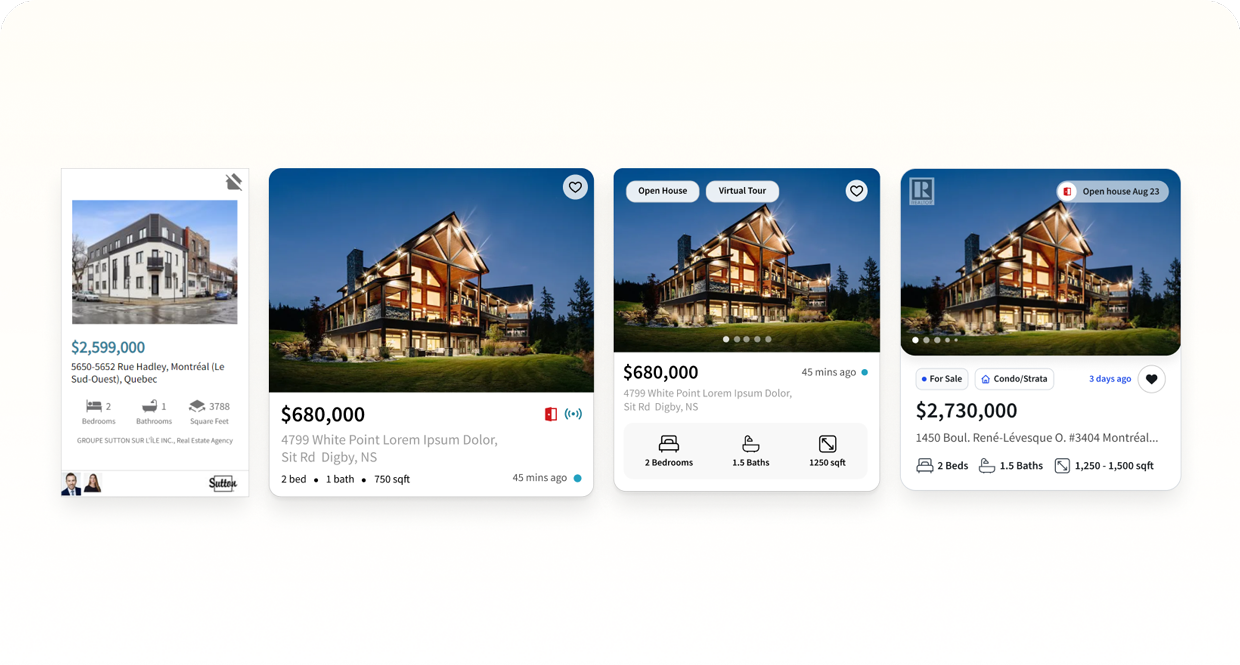
8 different button styles × 6 input variants × 4 card patterns = chaos

The plan

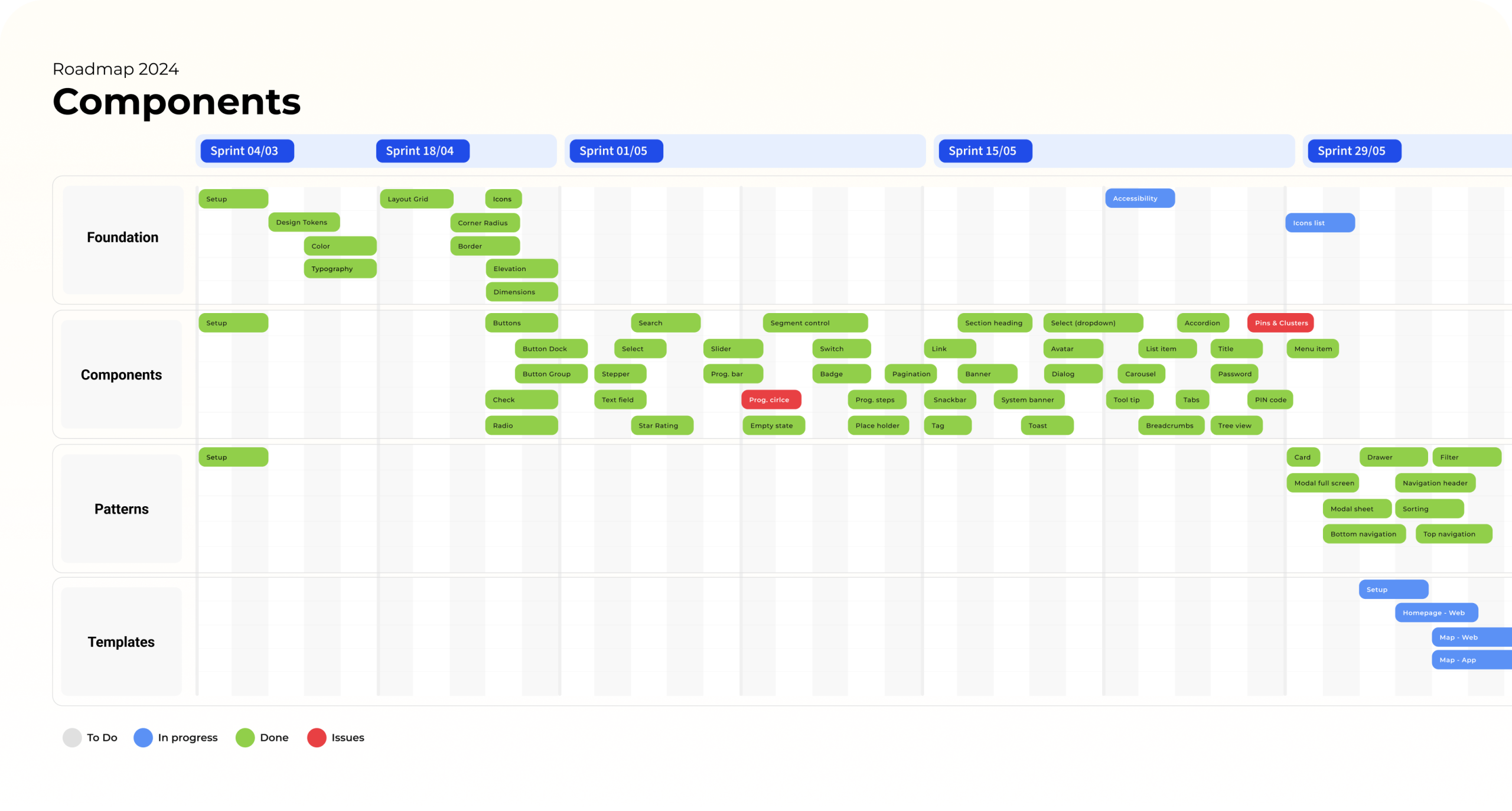
To rebuild the platform’s foundation, I followed a structured six-step approach—starting with discovery and ending with full-scale system implementation. This timeline outlines how I moved from understanding the problem to creating a unified design system ready for adoption.
Step 1 — Seeking answers
Step 2 — What’s out there, and in here
Step 3 — Baby steps
Step 4 — Visualizing the design approach
Step 5 — Stakeholder buy-in
Step 6 — Building

The Solution

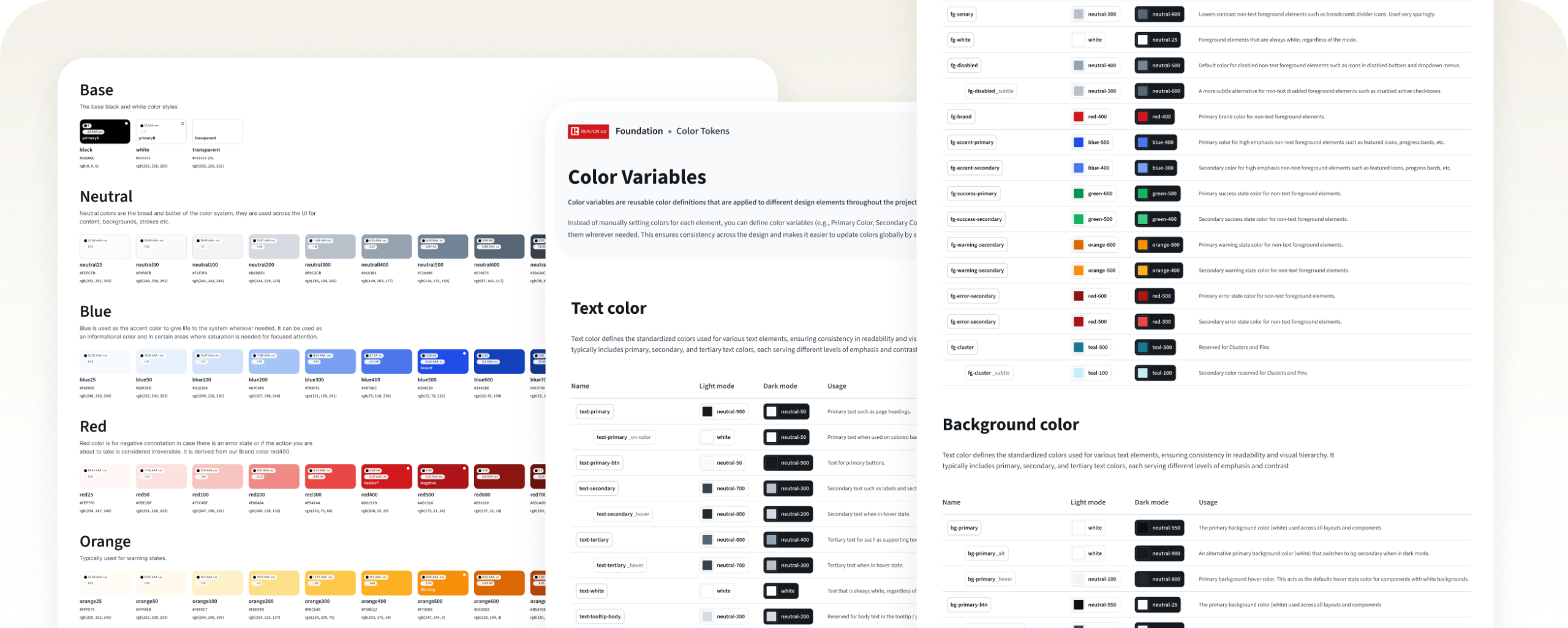
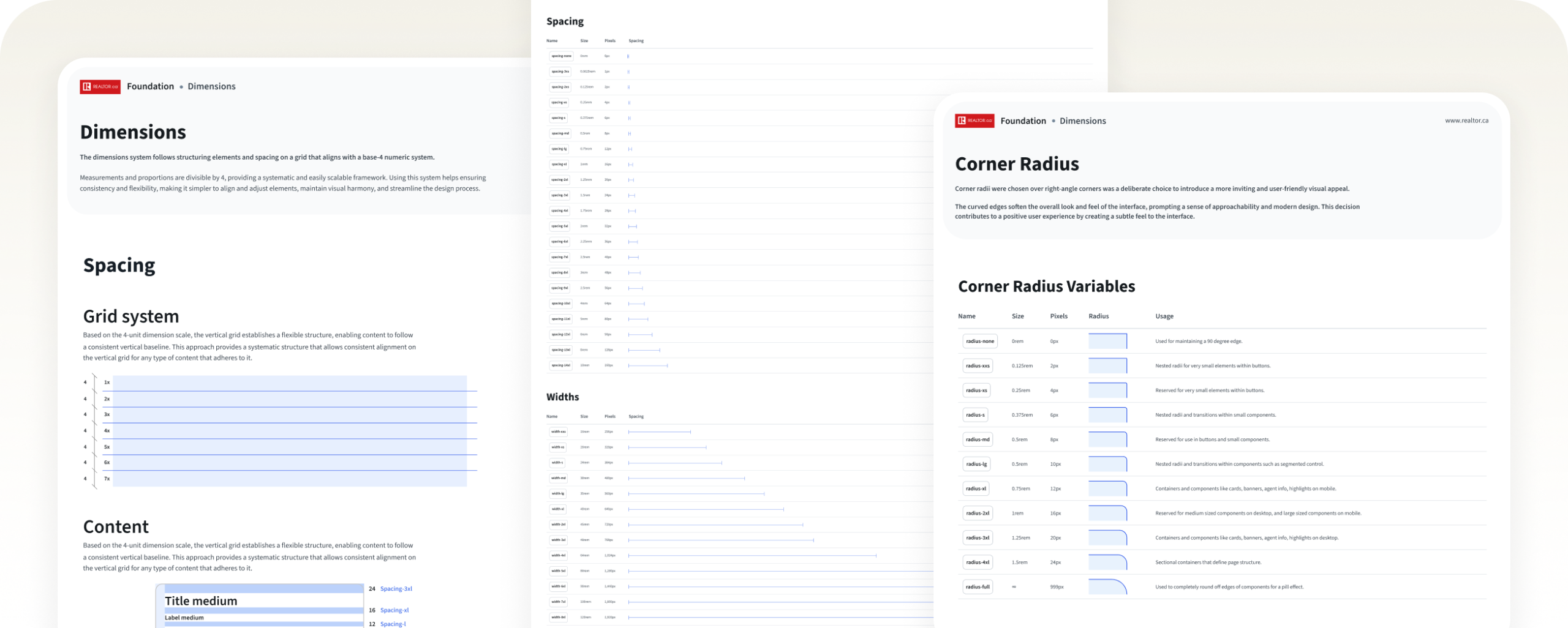
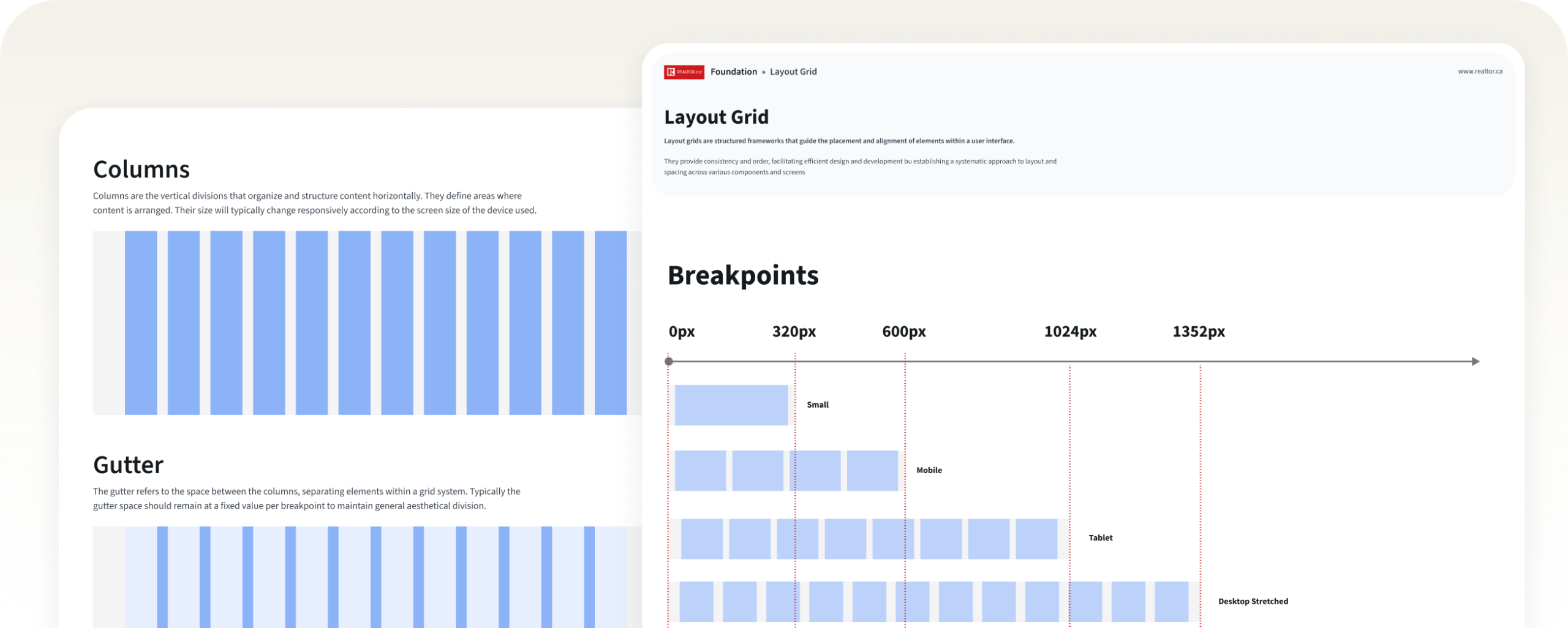
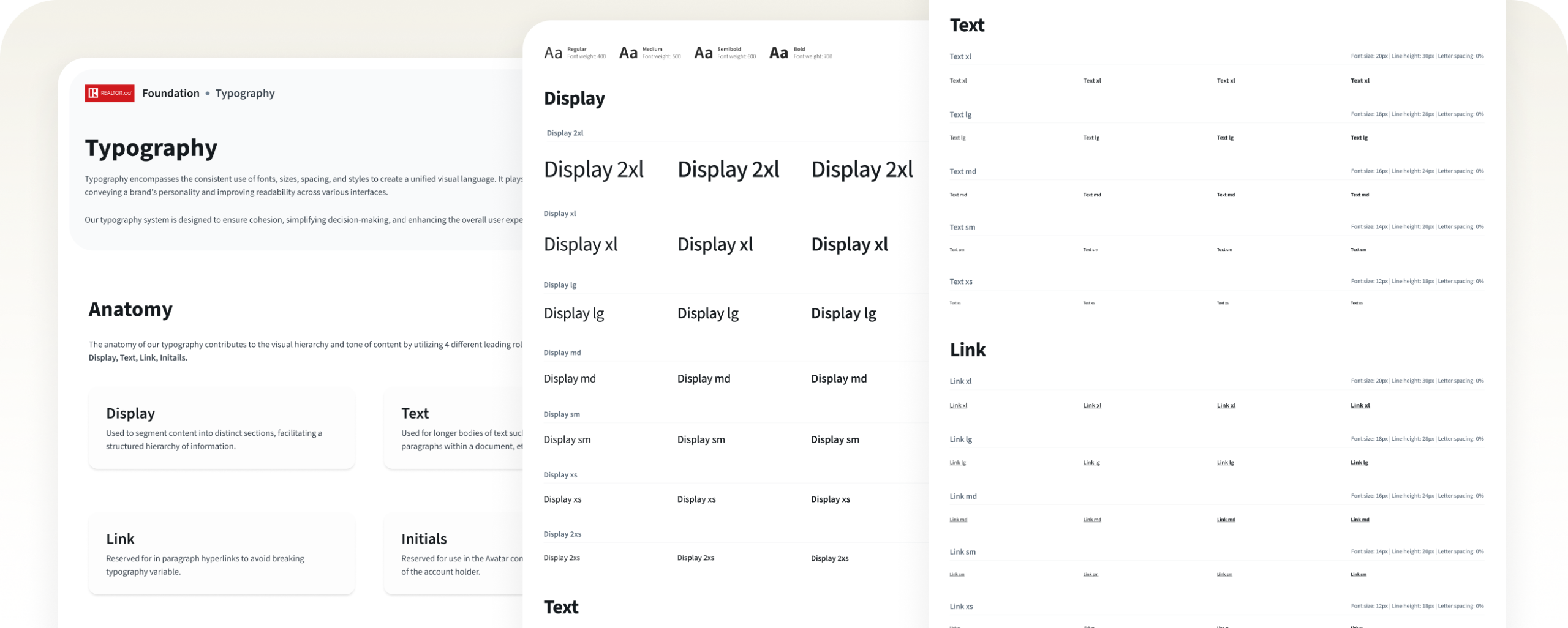
A unified system built on scalable tokens

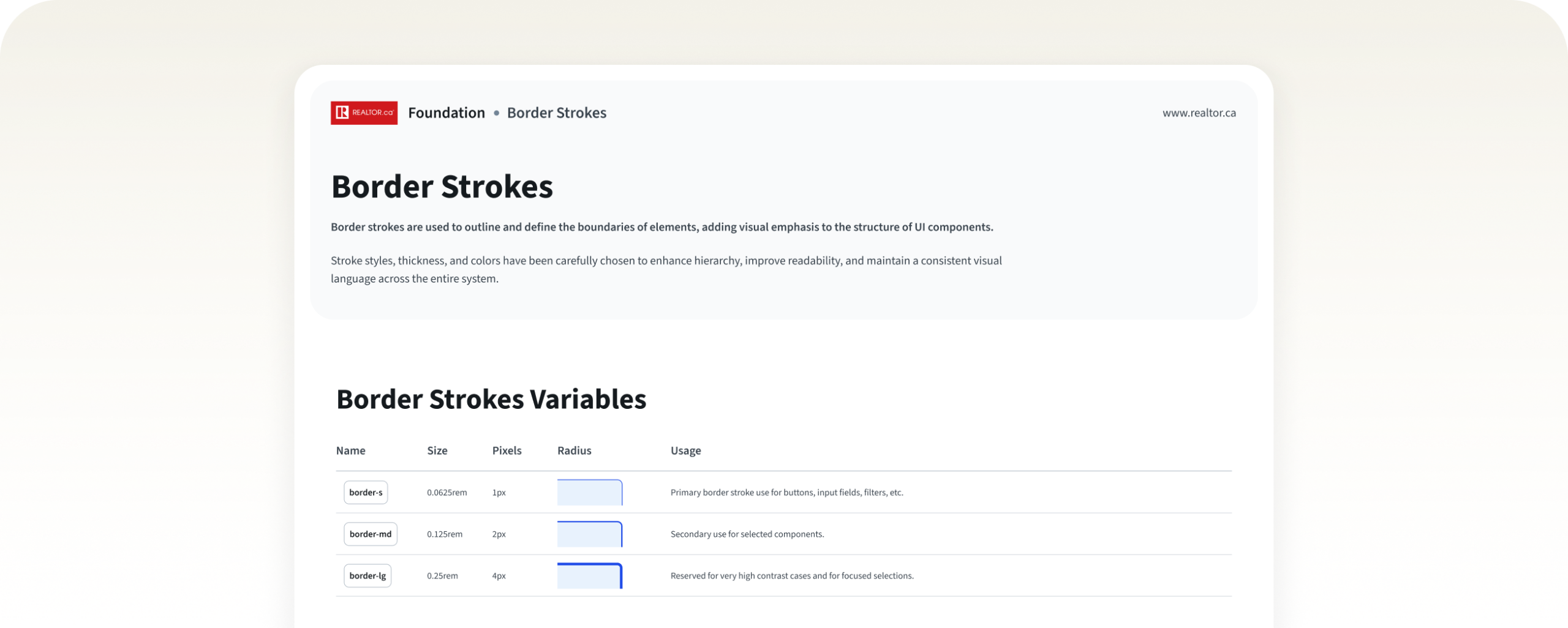
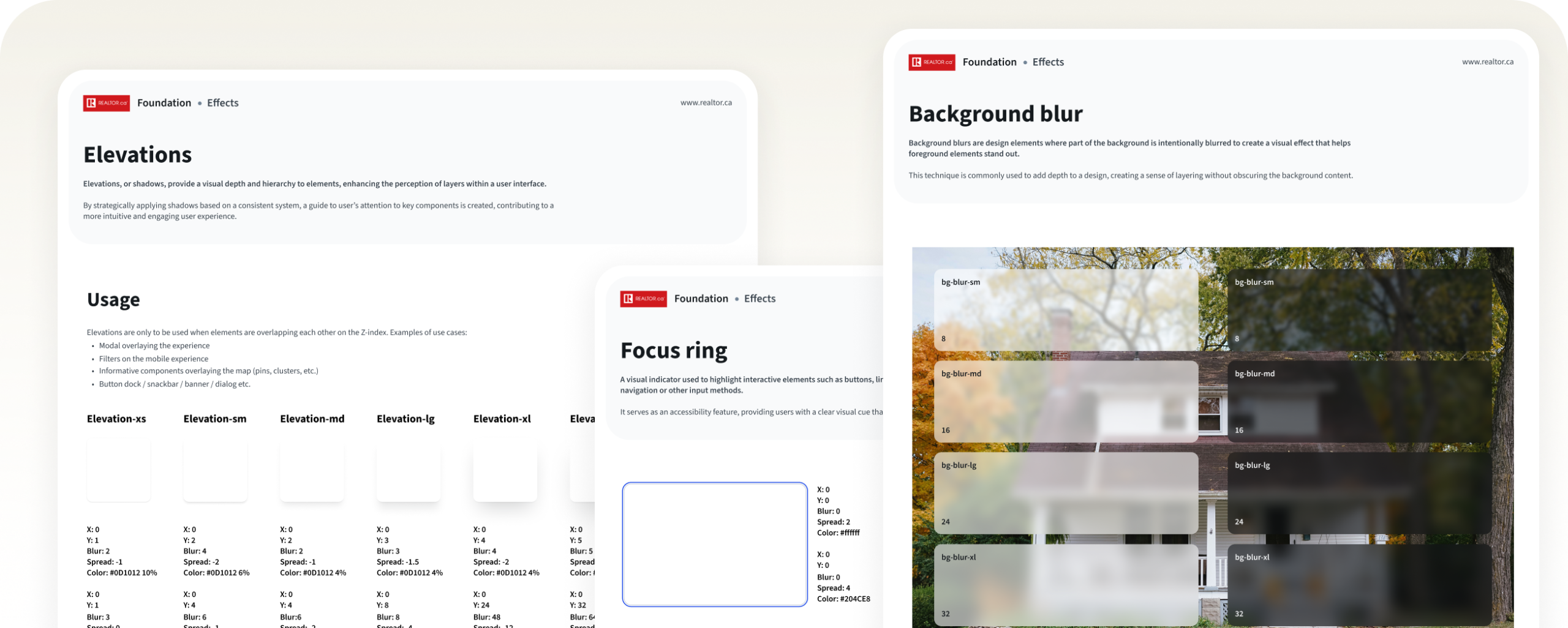
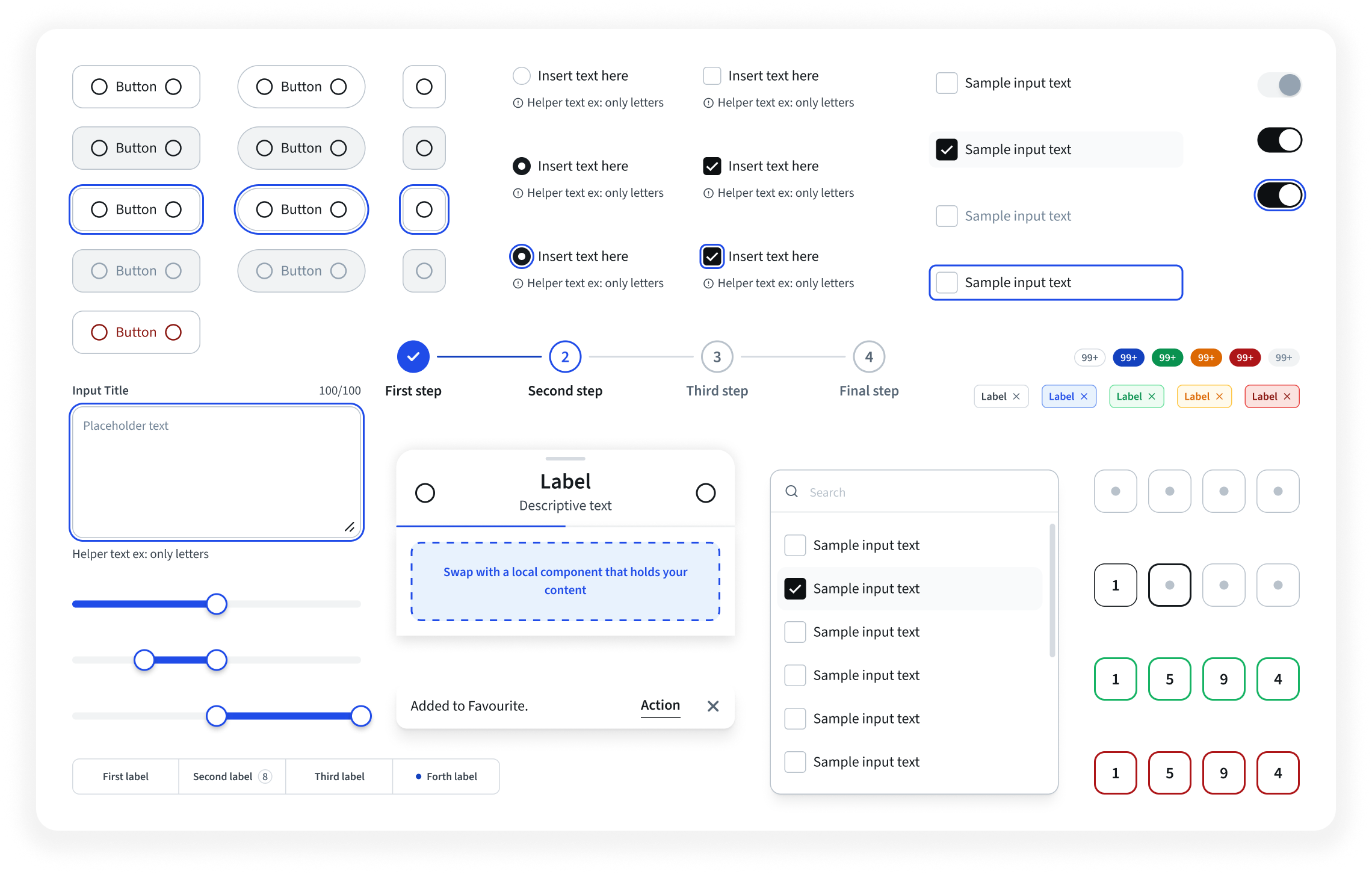
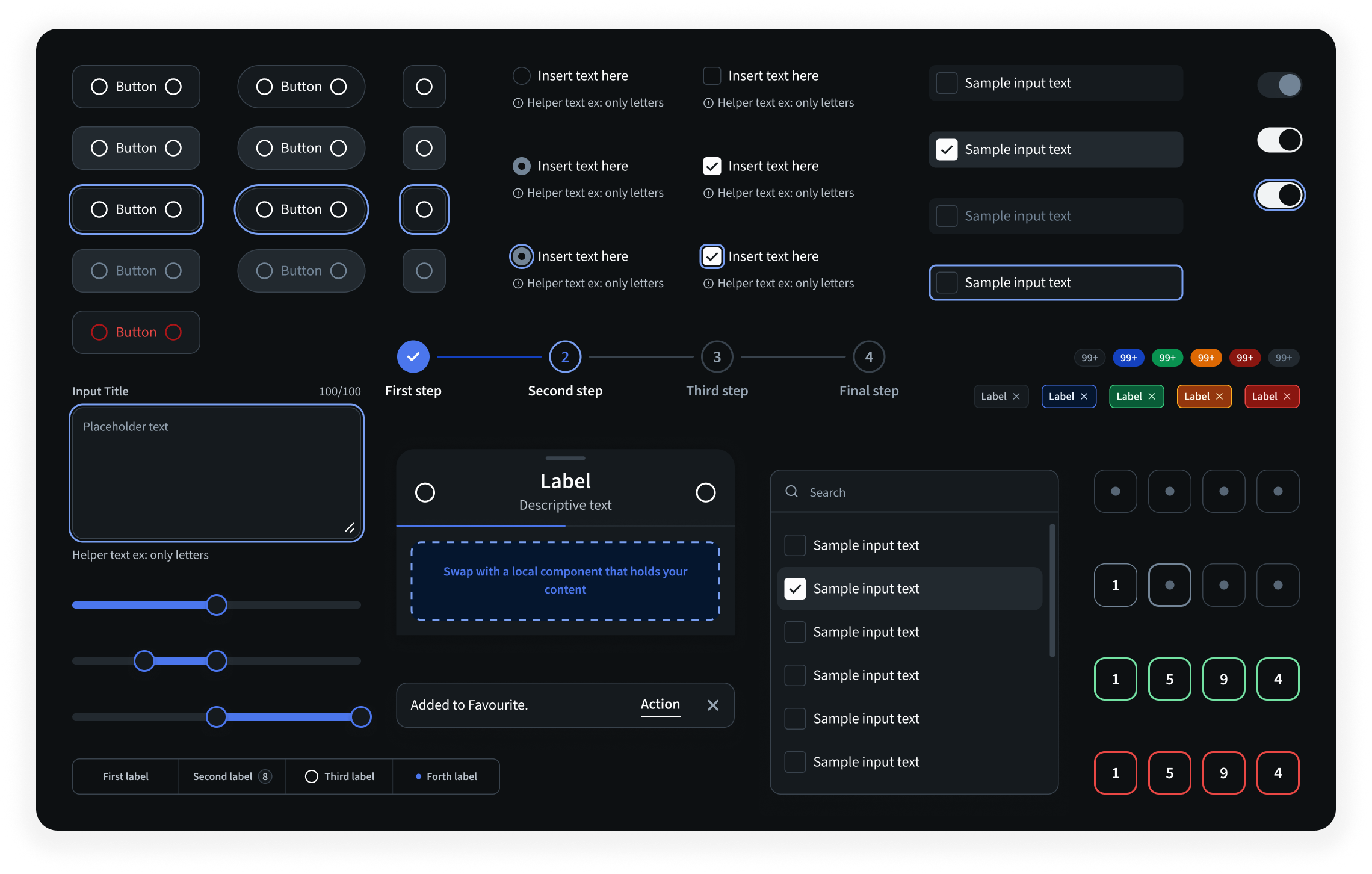
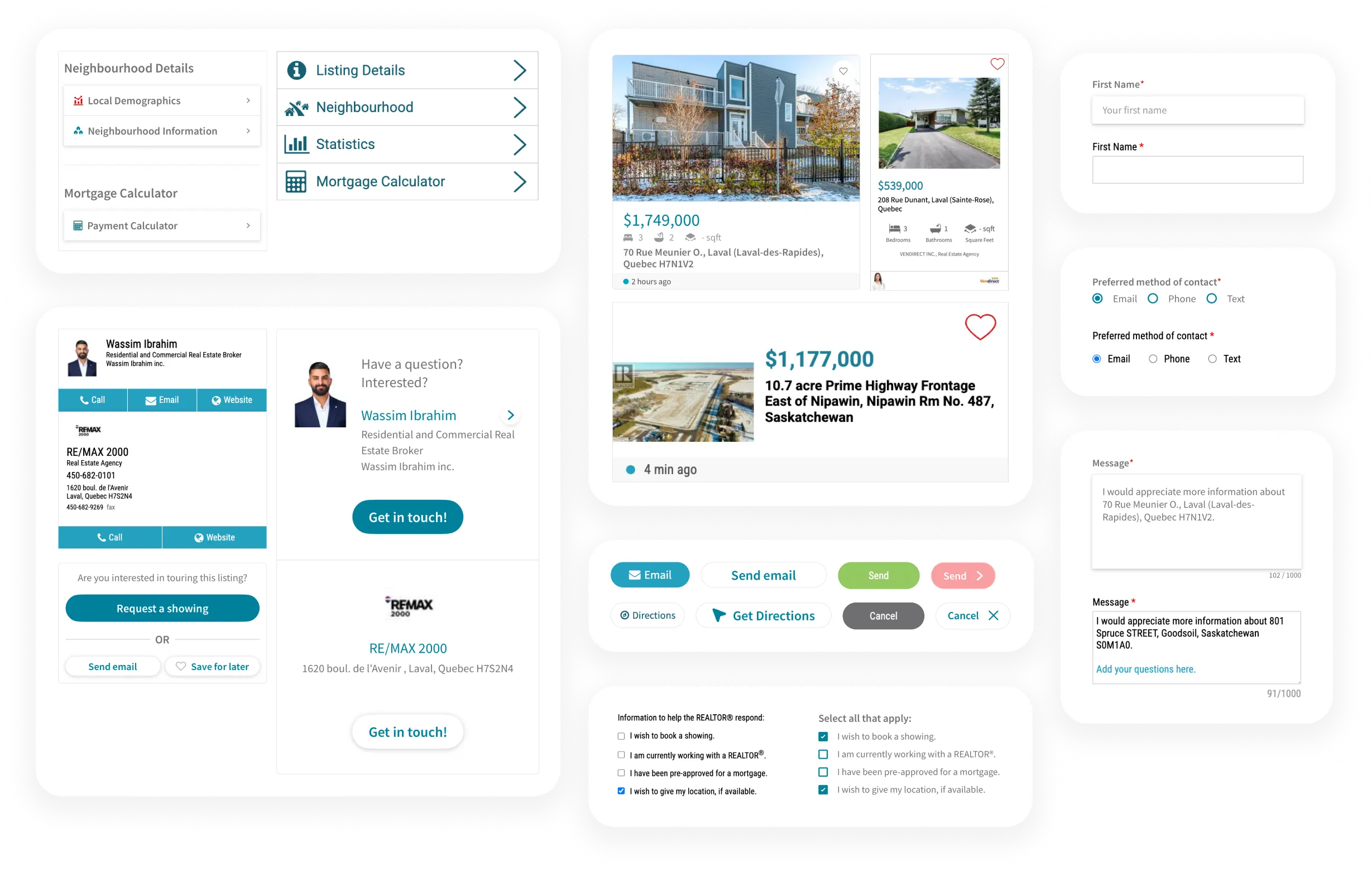
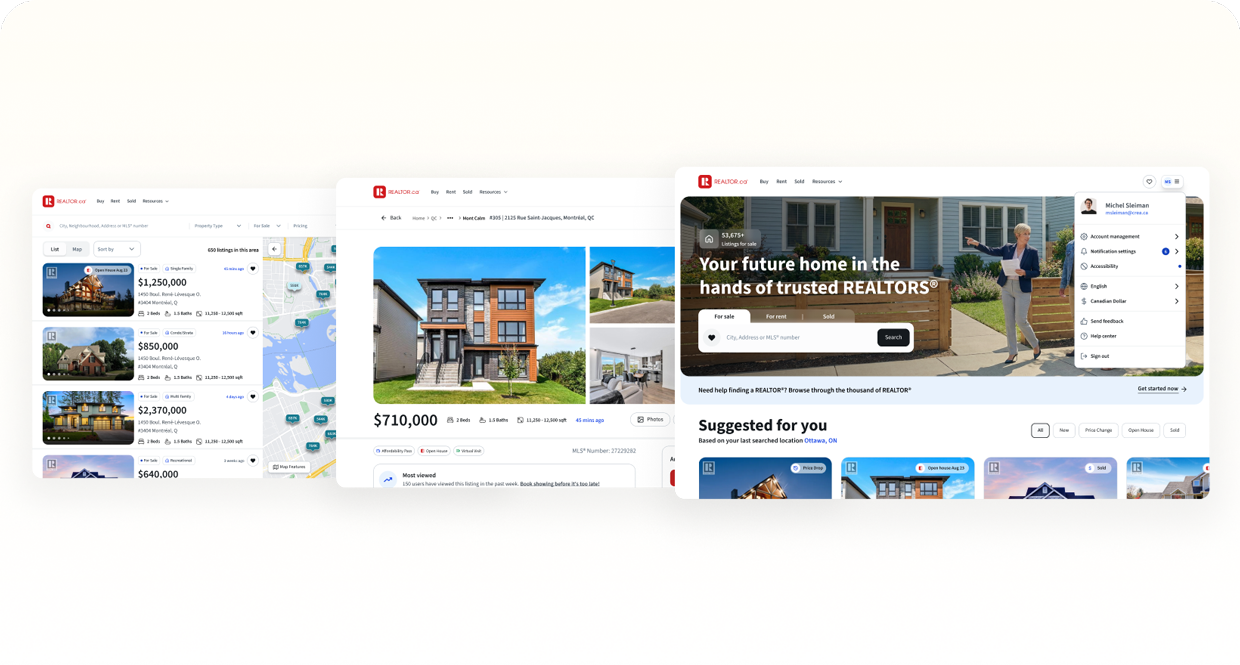
I created a comprehensive design system with semantic tokens at its core, enabling consistent experiences across all platforms while supporting full theming capabilities

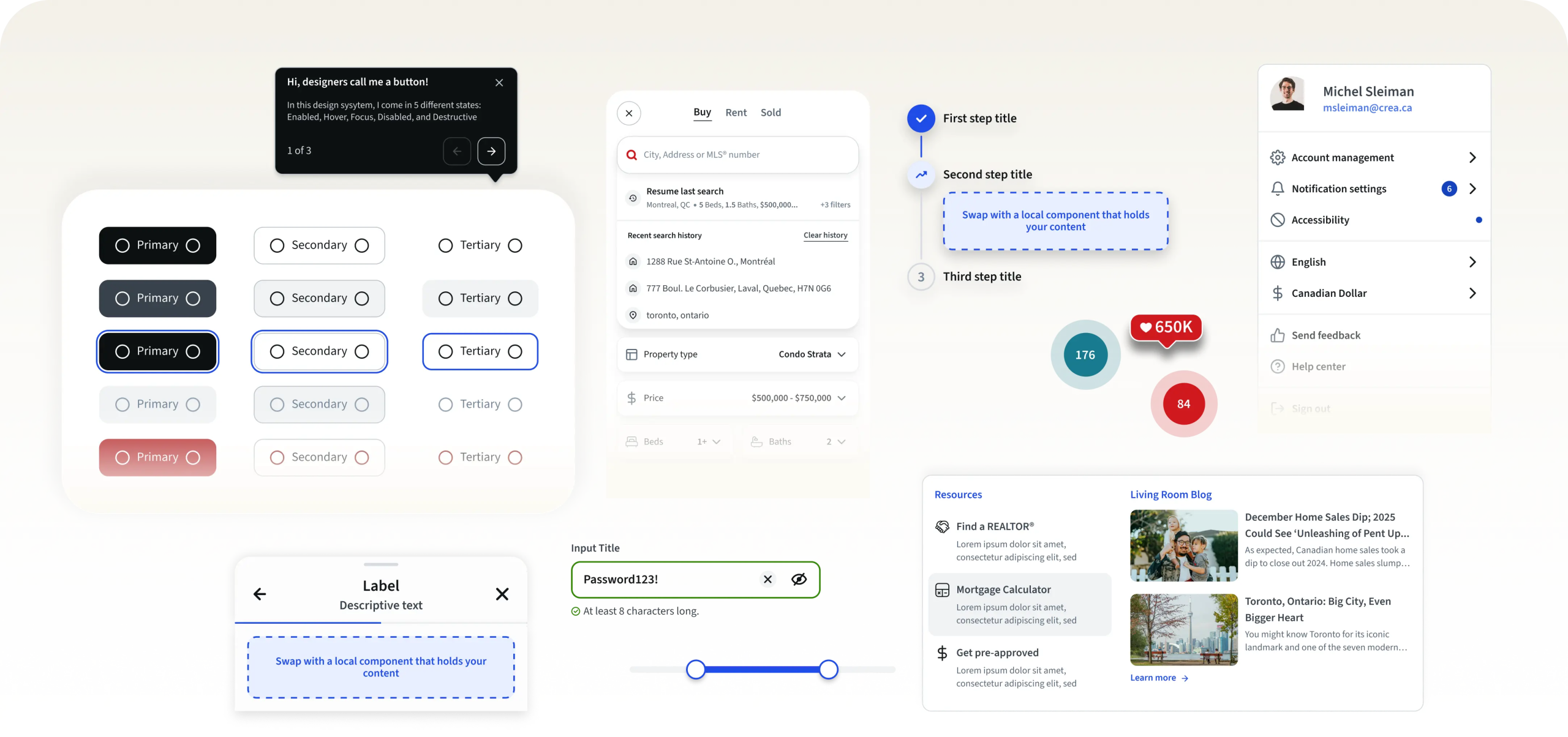
Component Library

Actions

Buttons
Button group
Selection controls
Clusters and pins

Input and Selection

Dropdown
Segmented control
Password
Search
Slider
Select field
Text area

+4 more

Indicators and status

Badge
Empty state
Placeholder
Progress bar / circle / steps
Tags

Messaging

Banner
Dialog
Snackbar
Sheet
System banner
Toast
Tooltip
Popover

Navigation

Breadcrumbs
Carousel
Navigation header
Link
Pagination
Tree view

Discover how the system helped elevate both the structure and design of the navigation across Realtor.ca.

Theming

Full semantic theming
with one toggle

The Process

From chaos to system in 6 months

4 weeks
Audit
Documented every component variation across all 4 platforms. Identified 200+ inconsistencies and accessibility gaps.
6 weeks
Architecture
Designed the token system, component API, and accessibility requirements. Created the foundation for scale.
16 weeks
Design
Built every component with full variants, states, and documentation. Established patterns for future growth.
Ongoing
Rollout
Partnered with engineering for implementation. Created training materials and supported team adoption.

Impact

Measurable results

0 %

Faster feature development

0 %

Fewer inconsistencies

0 +

Production component sets

Full accessibility

Meets WCAG AA standards with color contrast, keyboard navigation, screen reader support, and focus states built in.

Reflection

What I learned

01

Systems thinking beats feature thinking

Building for scale requires stepping back from individual components to see how everything connects. The token architecture was the key to making theming and future updates manageable.

02

Accessibility is a foundation, not a feature

Retrofitting accessibility is painful. Building it in from day one made every component better and saved countless hours of rework down the line.

03

Adoption requires partnership

The best design system is worthless if teams don’t use it. Continuous collaboration with engineering, training sessions, and migration support were just as important as the designs themselves.

No posts were found for provided query parameters.

© 2021 Qode Interactive, All Rights Reserved